Ceylon Black Pepper (Gammiris): How to Cook With Sri Lanka's Boldest Little Spice
Ceylon black pepper (gammiris) explained: whole vs ground, roasting, tempering and an easy Jaffna-style pepper chicken. Simple tips to cook with it at home.
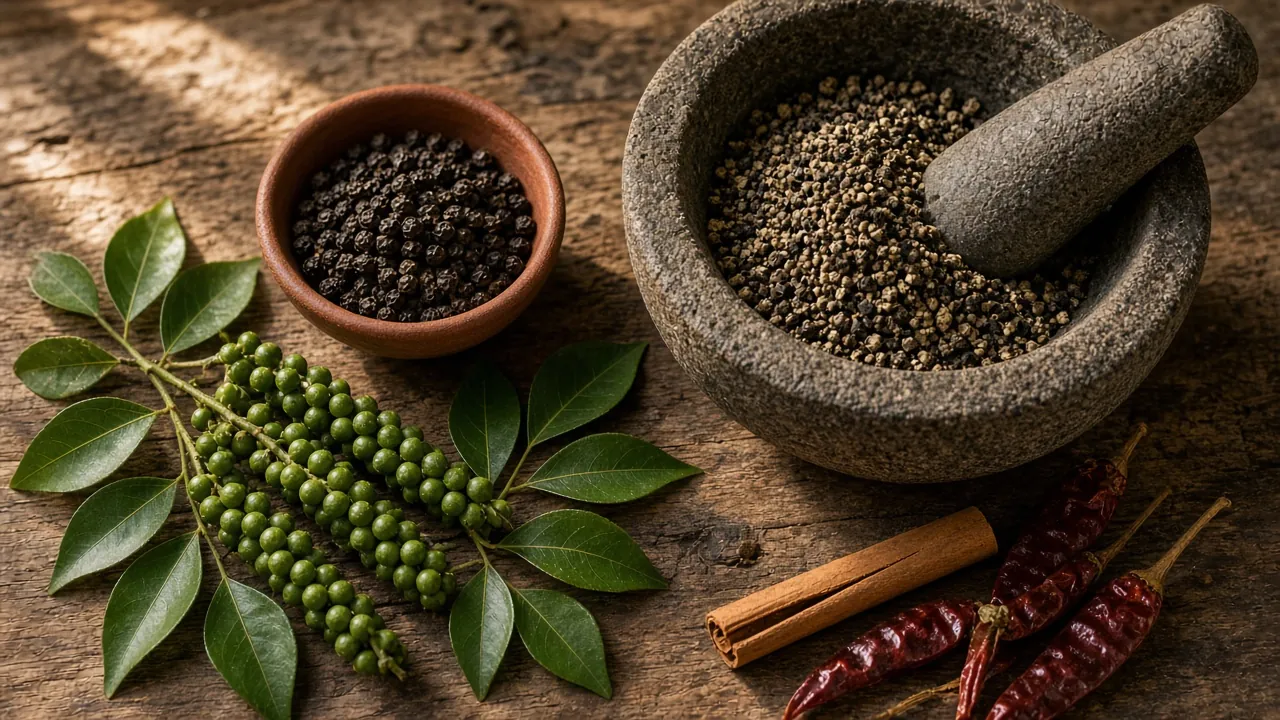
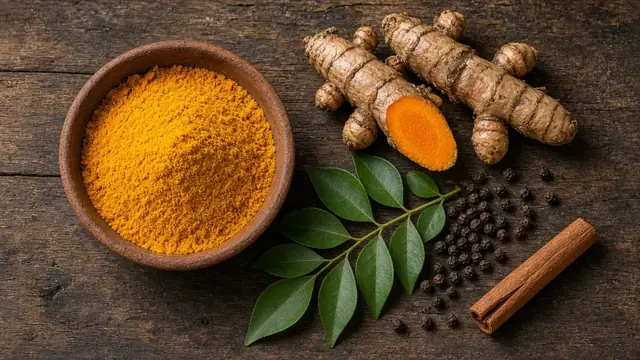
Open a Sri Lankan spice box and you’ll almost always find a little pile of black peppercorns tucked in next to the cinnamon and cardamom. We call it gammiris in Sinhala and milagu in Tamil, and it’s been part of our cooking for a very long time.
Pepper is one of those spices people take for granted. A shake on eggs, a pinch in soup, done. But in a Sri Lankan kitchen, and especially in Jaffna cooking, pepper does a lot more. It brings a warm, woody heat that’s quite different from chilli, and it can turn a simple curry into something really memorable.
Let’s talk about how to buy it, store it and cook with it the way Sri Lankan home cooks do.
What Makes Ceylon Black Pepper Special?
Black pepper comes from the berries of a climbing vine. The green berries are picked, then dried in the sun until they turn dark and wrinkly. That’s the peppercorn you know.
Sri Lankan pepper is grown in the island’s wet, hilly areas, often on vines climbing up other trees in home gardens. Cooks tend to describe it as:
- Bold and aromatic: a strong, fresh smell when you crush it
- Warm rather than sharp: the heat builds slowly at the back of the throat
- Woody and a little citrusy: especially when freshly ground
It’s a heat that sits nicely alongside chilli instead of competing with it, which is exactly why Jaffna cooks love using both.
Whole vs Ground: Which Should You Use?
Whole peppercorns
- Keep their flavour much longer
- Great for tempering in hot oil, slow-cooked curries and stocks
- Easy to crush fresh whenever you need it
Ground pepper
- Handy for quick seasoning and finishing a dish
- Loses its aroma faster once opened
- Best bought in small amounts or ground at home
Our tip: keep whole peppercorns in the cupboard and crush a small batch in a mortar and pestle (or a spice grinder) each week. The difference in smell alone will surprise you.
How Sri Lankan Cooks Use Pepper
1. Dry-roasting for curry powders
In the north, many spices are dry-roasted before they’re ground, and pepper is part of that mix. Roasting deepens the flavour and gives Jaffna curry powder its dark colour and rich, smoky smell. You can read more about that in our guide to Jaffna curry powder.
2. Tempering in hot oil
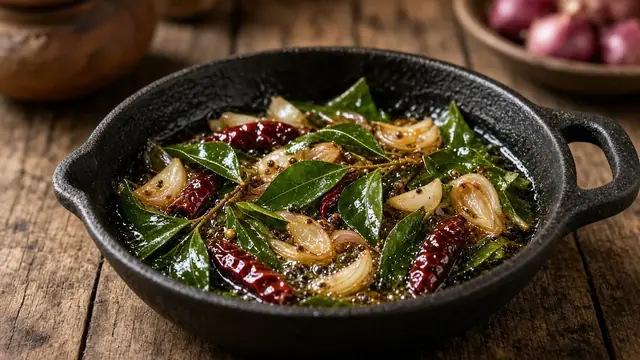
A few peppercorns sizzled in coconut oil with curry leaves, mustard seeds and a piece of cinnamon make a fragrant base for dhal, vegetable curries and meat curries. If you want to master that first step, our post on curry leaves in Sri Lankan cooking walks through tempering in detail.
3. Finishing a curry
A pinch of freshly ground pepper stirred in at the very end lifts the whole pot. We did exactly this in our Jaffna-style beef curry, adding it with the thick coconut milk.
4. Pepper “devilled” and dry dishes
Pepper shines in dry, stir-fried dishes where the spices cling to every piece of meat. Think pepper chicken, pepper beef or a quick pepper prawn fry.
5. Everyday comfort food
- A spoon of crushed pepper in a hot rasam or soup
- Cracked pepper over fried eggs or an omelette with green chilli and onion
- A little pepper in pol sambol for extra warmth
- Pepper and salt tossed with fried cashews for a snack
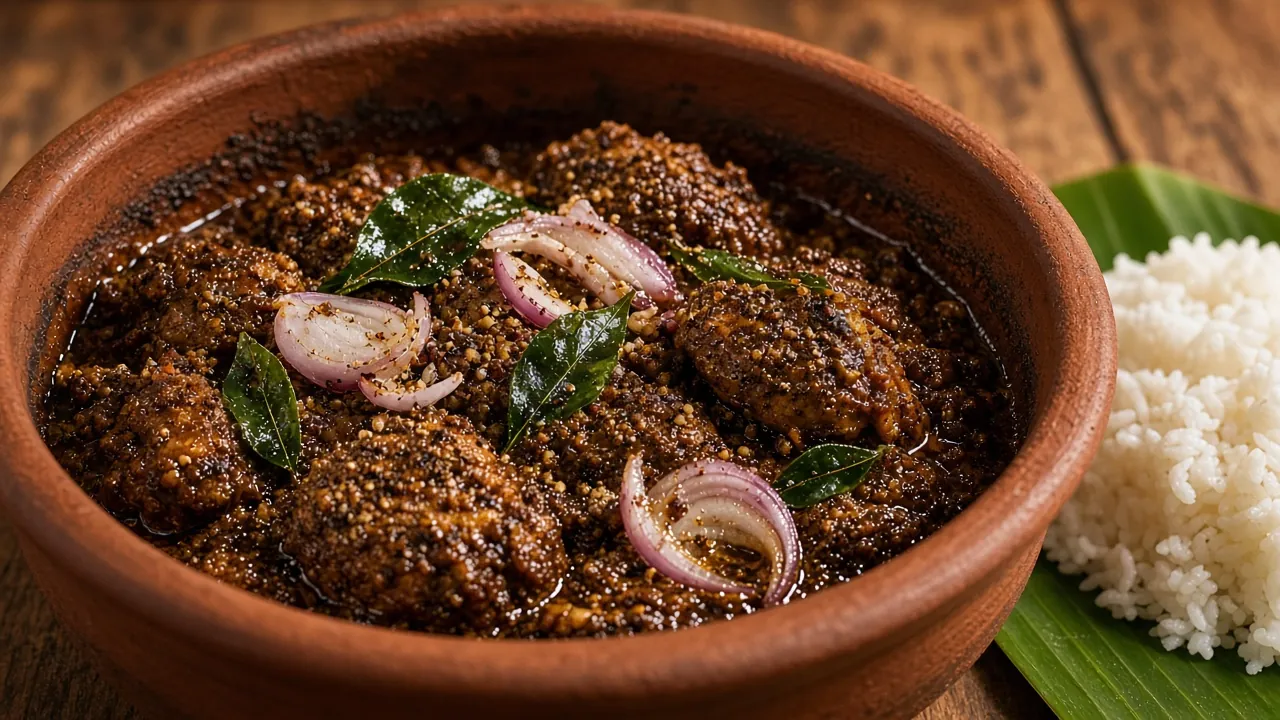
Easy Recipe: Jaffna-Style Pepper Chicken (Serves 4)
This is a quick, almost-dry curry that lets the pepper take centre stage. It’s perfect with rice, roti or string hoppers.
Ingredients
- 1 kg chicken, cut into curry pieces
- 2 tablespoons Spice Mart Meat Curry Powder
- 1½ to 2 teaspoons freshly crushed black pepper (plus extra to finish)
- ½ teaspoon turmeric powder
- 1 teaspoon salt (or to taste)
- 1 tablespoon lime juice or vinegar
- 3 tablespoons coconut oil
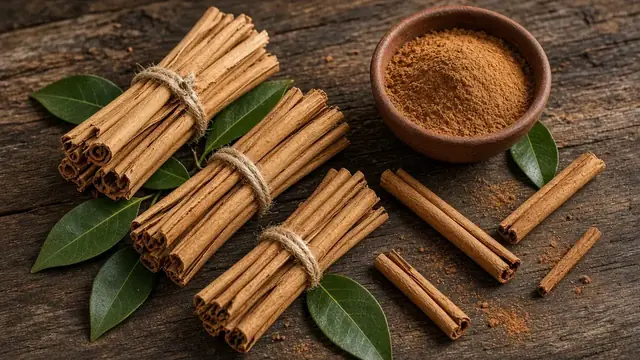
- 1 small piece of cinnamon
- 2 sprigs curry leaves
- 10 to 12 shallots or 1 large red onion, sliced
- 5 cloves garlic and a thumb of ginger, crushed
- 2 green chillies, slit
- ½ cup water
Method
- Marinate. Mix the chicken with the curry powder, half the pepper, turmeric, salt and lime juice. Leave for 30 minutes.
- Temper. Heat the coconut oil, add the cinnamon and curry leaves, then the shallots. Fry until golden.
- Build the base. Add the garlic, ginger and green chillies and cook for a minute or two.
- Cook the chicken. Add the marinated chicken and stir-fry on medium-high heat for 8 to 10 minutes until it’s well coated and starting to brown.
- Simmer. Add the water, cover and cook on low for 20 to 25 minutes until the chicken is cooked through.
- Dry it down. Uncover, add the rest of the pepper and keep stirring until the gravy thickens and clings to the chicken.
- Finish. Taste for salt, add one last pinch of cracked pepper and a few fresh curry leaves.
Want a saucier version? Try our full Jaffna chicken curry recipe, and add a little extra pepper at the end.
Tips for Getting the Most From Your Pepper
- Crush, don’t over-grind. Slightly coarse pepper gives little bursts of flavour.
- Add it in two stages. Some early for depth, some at the end for aroma.
- Store it well. Airtight container, away from heat, light and steam from the stove.
- Smell test. If your ground pepper smells of nothing, it’s time for a fresh batch.
- Balance the heat. Pepper plus chilli adds up quickly, so go easy the first time and adjust.
A Quick Note on Pepper and Tradition
Pepper has long been a trusted spice in Sri Lankan home kitchens, and older generations often mention it alongside other spices as part of everyday, home-cooked meals. We love it mostly for one simple reason: it makes food taste fantastic. This is general cooking information, not medical advice.
Common Questions
Is black pepper the same as white pepper?
They come from the same vine. Black pepper is dried with the outer skin on, while white pepper has the skin removed, giving it a milder, slightly different flavour.
How much pepper should I add to a curry?
For a kilo of meat, start with about 1 teaspoon of freshly ground pepper and adjust next time. A pepper-forward dish like the one above can take more.
Can I roast peppercorns at home?
Yes. Dry-roast them in a pan on low heat for a minute or two until fragrant, let them cool, then crush. Keep stirring so they don’t burn.
Bring Home the Taste of Jaffna
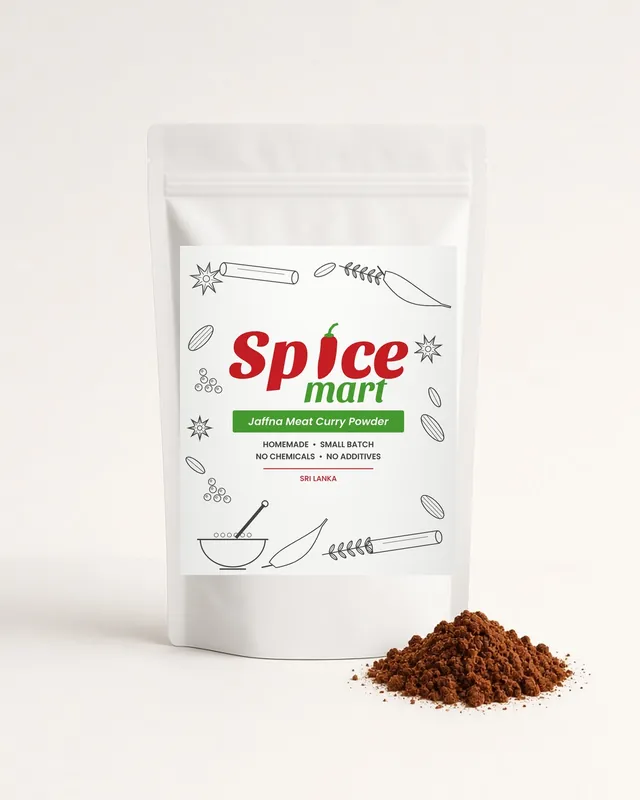
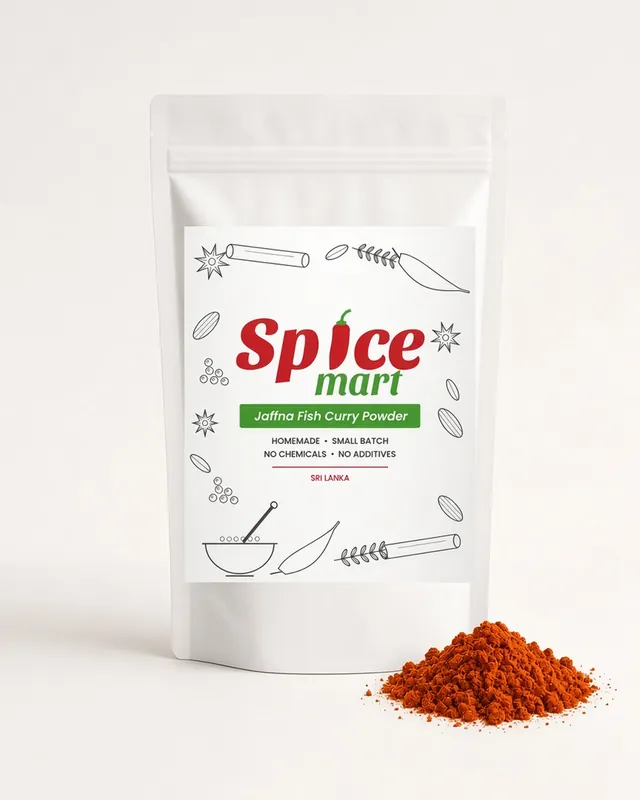
Good pepper and a well-roasted curry powder are a wonderful pair. Our homemade Meat Curry Powder comes in a 500g pouch for Rs. 1,875, roasted and ground the traditional Jaffna way, so it already carries that deep, warming character into every pot.
Browse the Spice Mart shop, grab a pouch, crack some fresh pepper and get cooking. Delivery is free in Colombo and Gampaha, with standard rates elsewhere. Have a question? Message us on WhatsApp at +94 77 855 3581.
From our kitchen to yours, happy cooking!